

Getting Started with AI
July 7, 2026
Creating Shared Photo Albums
July 21, 2026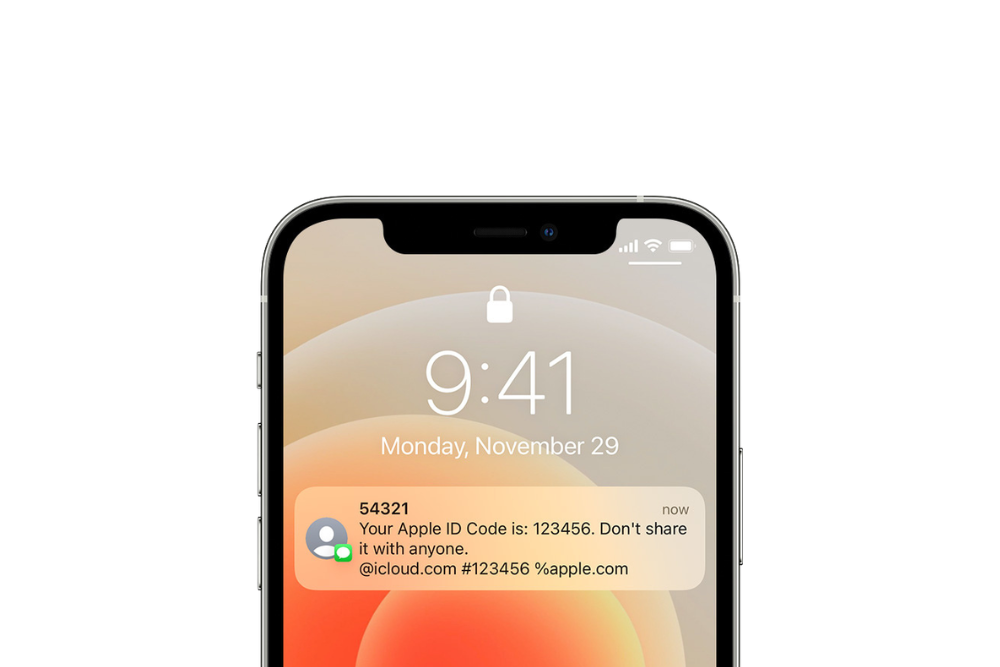
A recent Time magazine article tells the story of a man who lost control of his “entire digital life” after responding to what looked like a legitimate fraud alert about a charge on a credit card. The story is unsettling — but the important lesson isn’t only about that one text message. It’s what happened at each crossroad where he could have stopped the takeover of his phone, his Apple Account, and his other online accounts.
He was caught off guard and didn’t realize what he was doing until it was too late. Don’t be a victim. Learn to recognize what the bad guys do — and keep listening and learning.
Be Wary of Text Messages
If you get a message about a credit card, check the app or the website directly to verify any activity or fraud alerts. Don’t rely on text messages.
Never Trust Caller ID
Scammers can make their phone number appear to be Apple, your bank, or even your doctor’s office.
Never Read a Verification Code to Anyone
Those codes are for you to sign in — not for you to give to someone else. If you didn’t place the call, be wary. Hang up and log in to the app or website yourself to contact your bank, credit card company, or other financial institution.
Personal Information Doesn’t Prove Someone Is Legitimate
Someone reciting details about you doesn’t mean they are who they say they are. Names, birthdays, addresses, and even Social Security numbers have all been exposed in data breaches.
The bottom line — which can’t be repeated too often — is to be skeptical. It’s better to be safe than to be a victim of digital theft.